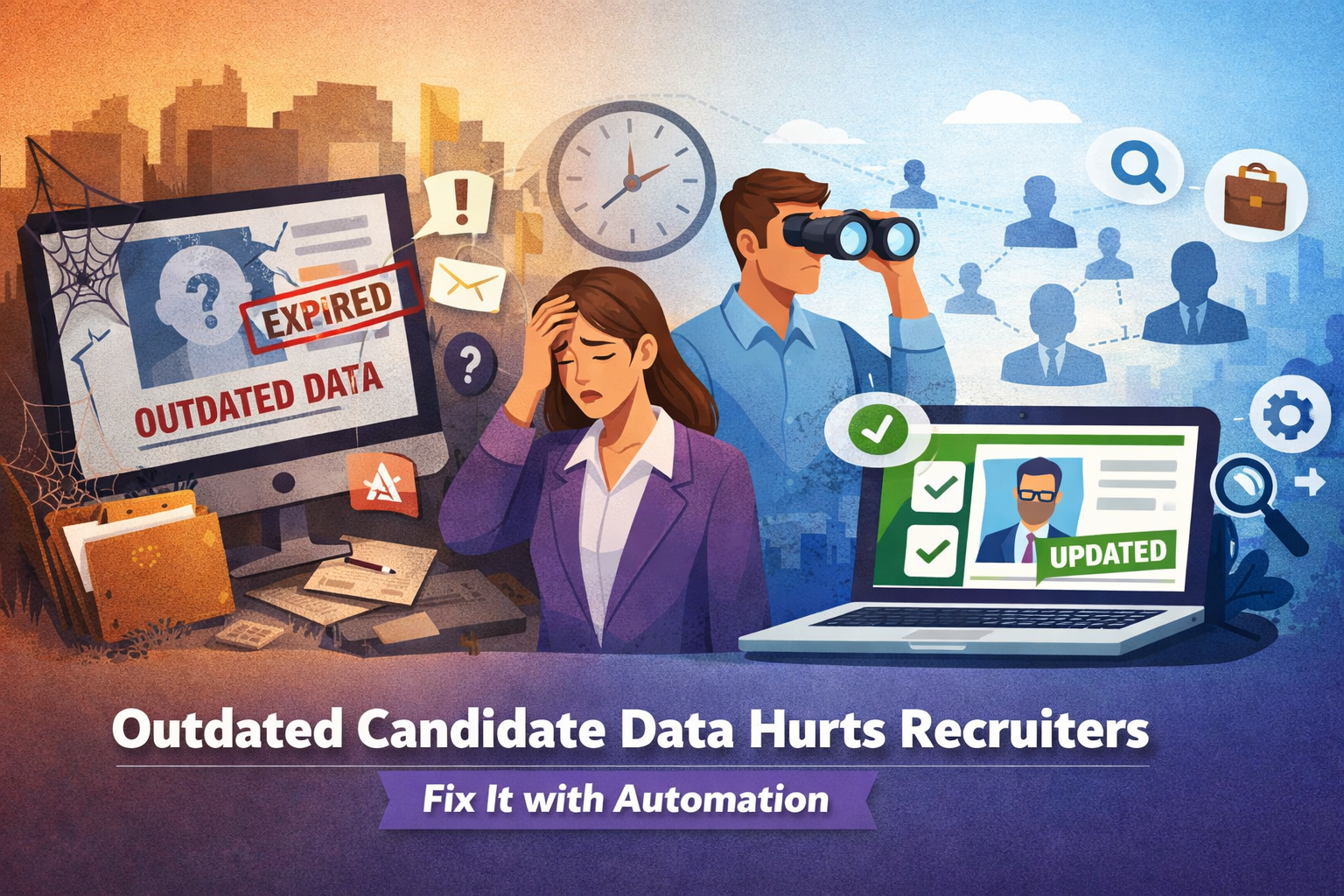
In the fast-paced world of recruitment, maintaining accurate and up-to-date data is crucial for success. Outdated information can lead to damaged reputations and lost talent opportunities.
The Impact of Outdated Data
When recruiters work with outdated information, they risk contacting candidates who are no longer available, have changed positions, or have different career aspirations. This not only wastes time but can also damage the recruiter's reputation and the company's brand image.
Strategies to Keep Data Fresh
Implementing regular data maintenance routines is essential. This includes verifying contact information, updating candidate statuses, and refreshing career progression details. Automated tools can help streamline this process and ensure data remains current.
Leveraging Technology
Modern recruitment platforms like Jobin.cloud offer automated data verification features that can help recruiters maintain accurate databases. These tools can flag outdated information and suggest updates based on recent candidate activities.
Building Trust Through Accuracy
Accurate data builds trust with both clients and candidates. When recruiters demonstrate that they have current information, they establish themselves as reliable professionals who value relationships and understand the importance of precision in the recruitment process.
Try Jobin.cloud for Free
Click to get Jobin.cloudFAQ
Why is outdated recruiting data risky?
Outdated data leads to wasted outreach, missed talent, slower hiring, and weaker credibility with candidates. When records no longer reflect reality, every downstream recruiting decision becomes less reliable.
How can recruiters keep candidate and client data accurate?
Regular updates, better workflow discipline, and tools that reduce manual data entry all help. The goal is to refresh important records before they create avoidable mistakes in outreach or pipeline decisions.
What is the business impact of poor recruitment data quality?
Poor data quality increases time-to-fill, lowers conversion rates, and makes reporting less trustworthy. It also creates hidden costs because recruiters spend more time fixing records and chasing the wrong people.
Summary
The Consequences of Outdated Data in Recruiting